Consulting
Before Eric became a professor, he spent his career as a management consultant, and he still takes on a small number of clients each year. The work has two parts: figuring out what is actually driving a business, and then helping the people inside it change how the work gets done. Strategy on paper is the easy part. Getting a new way of operating to hold on a factory floor, in a sales force, or across a leadership team is where the real value and the real difficulty both live.
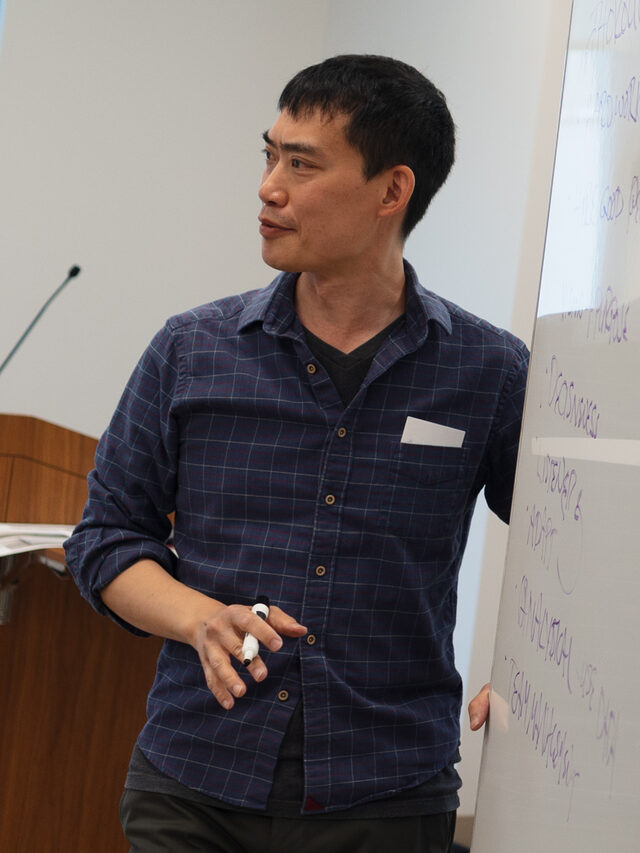
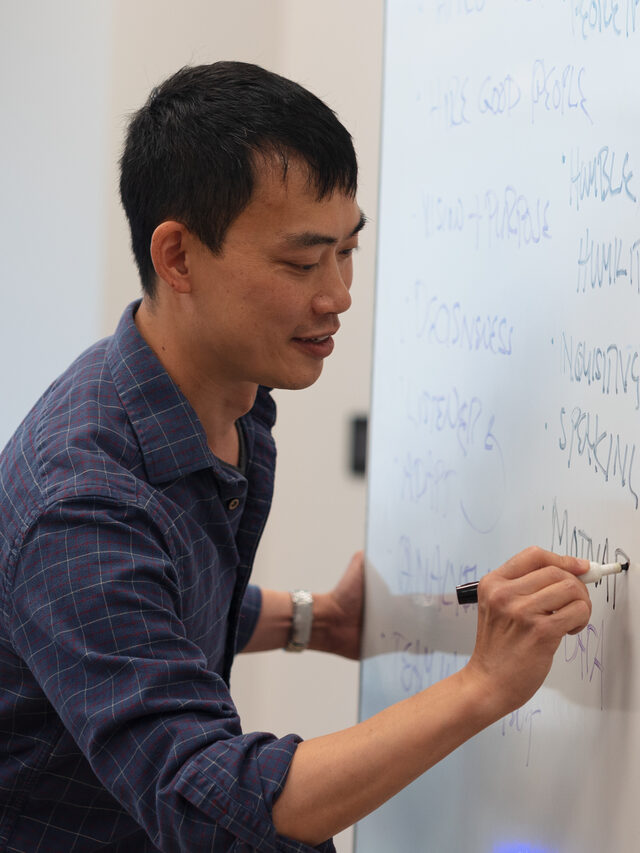
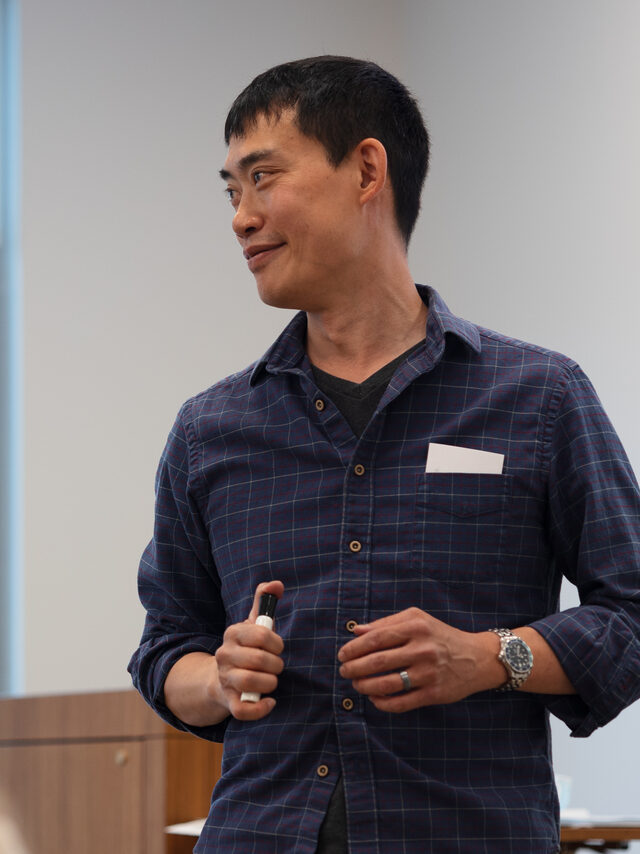
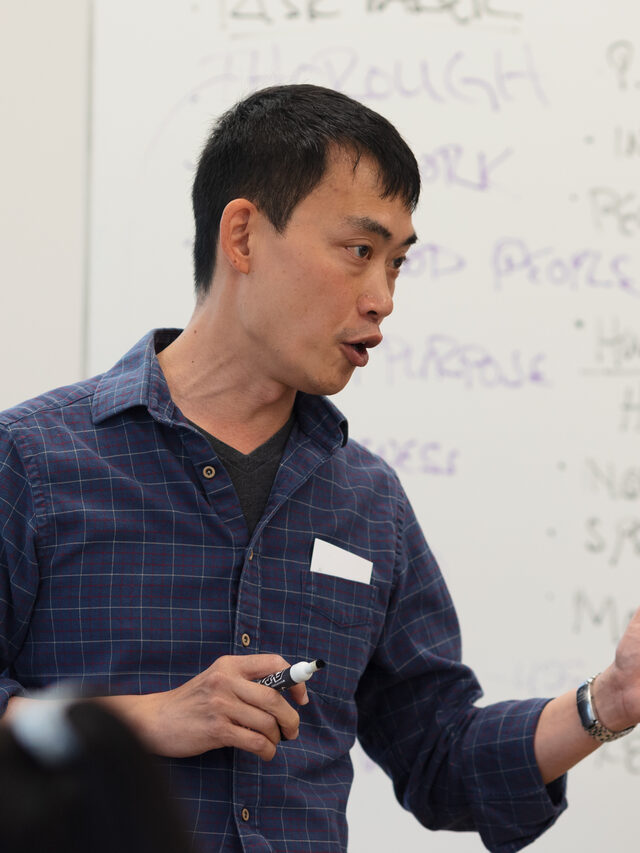
He spent nine years at McKinsey & Company, focused primarily on operations and performance transformation engagements for industrial clients. He is at home untangling how equipment, people, and processes can be reconfigured to increase throughput. On construction and mining equipment lines he led lean diagnostics that found 30 to 40 percent throughput improvement potential and redesigned bottleneck operations. The part that actually mattered was coaching shop-floor leaders and facility managers until the daily habits held after the consultants left. Other work took him into pricing strategy, product mix, and corporate strategy across business units and global markets.
Since 2015 he has consulted independently, usually at the executive level, across a deliberately wide range of industries.
Media. Multi-year strategy advisor to a multi-brand media company’s senior leadership team.
- Advised on corporate and portfolio strategy and the shift from a brand-led to a function-led operating model, including decision rights and KPI architecture.
- Built the organization’s own capability to develop business-unit strategy and to run substantive performance dialogs between corporate and the business units.
- Designed accountability, resource-allocation, and management systems to sustain execution through a period of organizational transformation.
- Produced executive-level analysis of industry disruption, including the impact of AI on the sector’s economics, to inform portfolio and investment decisions.
Engineering and construction. A multi-phase quantitative diagnostic of what actually drives project performance.
- Defined outcome measures across schedule, cost, and customer satisfaction from the firm’s own operational data.
- Used variance decomposition and regression analysis to isolate the operational and leadership factors most associated with strong delivery, so the firm could see which of its own choices were paying off.
- Translated the analysis into changes a non-technical leadership team could actually adopt.
Healthcare. Advised the executive team on the metrics that predict location and franchisee performance.
- Built outcome measures from location-level revenue and tested owner and operator attributes as predictors, controlling for market attractiveness.
- Framed the results to guide how the organization selects, coaches, and develops operators.
Retail. Worked with the management of one of the largest South American retailers on the performance impact of front-line store leaders.
- Quantified how much store managers contribute to results and identified the behaviors that distinguish stronger performers.
- Framed the findings as a business case for investment in HR and leadership development.
Hospitality. Advised the leadership of a globally recognized, founder-led restaurant and hospitality enterprise on strategy, organization, and long-term ownership.
- Diagnosed strategy, structure, and organization, and framed a portfolio approach to innovation, stewarding established brands while systematically developing new concepts.
- Developed governance and leadership-structure options for long-term ownership and continuity.
That same way of working shows up in his own organization. Eric founded and chairs Oberlin’s Business Program, applying a diagnosis-first approach to building it: setting the strategy, growing enrollment into one of the college’s top majors, recruiting practitioner faculty, and making the case to sustain it. Building and running a program is general-management work, and it is part of what he brings to clients.
What ties these engagements together is a way of working. Eric starts with the decision the client is trying to make, takes the messy situation apart into named and ordered drivers, and stays honest about what the evidence can and cannot support. Then he helps translate the diagnosis into changes people can actually adopt, building capability along the way.